


Jazz, born in the vibrant streets of New Orleans in the early 20th century, became one of the most influential musical genres of the last century. Blending African rhythms, European melodies, and raw emotion, it was shaped by legends like Louis Armstrong, Duke Ellington, and Charlie Parker, who continually reinvented its forms, giving rise to styles as diverse as bebop, cool jazz, hard bop, and modal jazz.
Today, jazz remains a living, constantly evolving genre, explored by musicians around the world. If you want to dive into this fascinating world or refine your playing, understanding the key instruments that make it up is essential. This article introduces the iconic instruments of jazz, from the most classic to the most modern, with tips to guide your choice based on your level and your style.
Wind Instruments: The Breath of Jazz
Wind instruments beat at the very rhythm of the soul of jazz. From its origins in the brass bands of New Orleans to today's world stages, they have shaped the genre's distinctive sound. They weave a palette as rich as it is intense, able to carry the music from the softest, most secret breath to the most dazzling and impassioned heights.
Whether flamboyant brass or delicate woodwinds, these instruments embody melody, improvisation, and the living dialogue between musicians, like a shared breath that tells a thousand stories. Whether you're a beginner or a seasoned artist, diving into the world of winds means entering a vibrant language where every breath gives shape to emotion and musical freedom.
1. The Trumpet: The Powerful Voice of Jazz

A dynamic and expressive instrument, the trumpet plays a central role in jazz, able to carry the melody with intensity and deep emotion. Iconic figures like Louis Armstrong, Miles Davis, and Dizzy Gillespie have shown the richness and freedom of expression this legendary instrument offers.
The trumpet stands out for its ability to vary dynamics, from soft, muted tones to dazzling, vibrant flights, which makes it a favoured choice for improvisation and the impassioned solos of the greatest musicians.
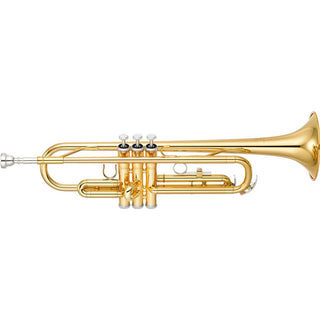
Yamaha YTR-2330 Bb Trumpet
2. The Saxophone: Richness and Freedom of Expression
 Versatile and nuanced, the saxophone is at the heart of many varied and complex jazz styles. Legendary musicians such as John Coltrane, Charlie Parker, and Sonny Rollins have shown the full extent of its expressiveness and its ability to explore widely diverse sonic territory.
The saxophone comes in several registers (alto, tenor, soprano, baritone) and can move from a velvety tone to powerful phrases, offering great freedom of interpretation as well as a major role in collective improvisation.

Yamaha YTS-280 Tenor Saxophone
3. The Trombone: Warmth and Flexibility

The trombone, known for its distinctive slide, brings a warm, flexible sound to jazz, essential to the balance of ensembles. Artists like J.J. Johnson and Tommy Dorsey popularized its use in big bands and traditional jazz, showing its exceptional melodic and harmonic potential.
Thanks to its deep, enveloping timbre, the trombone enriches the group's sonic texture and plays an essential role in complex arrangements and creative improvisations.

Yamaha YSL-356G Trombone
4. The Clarinet: The Clarity and Agility of Swing

The clarinet, a key instrument of early jazz and swing, is characterized by its clear, bright, and agile sound. Benny Goodman and Sidney Bechet revealed all the agility and expressiveness of this instrument, contributing greatly to its international fame.
The clarinet brings lightness and liveliness to compositions, capable of fast, ornate phrases, lending a timeless charm and authenticity to classic traditional jazz.
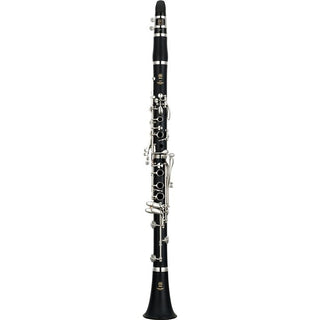
Yamaha YCL-255 Bb Clarinet
5. The Flute: Lightness and Modern Elegance

Photo by Tom Marcello, licensed CC BY-SA 2.0
Less common but highly expressive, the flute finds its place in modern jazz and jazz fusion, bringing new colours. Herbie Mann and Hubert Laws made the most of its airy, gentle sound to enrich the innovative textures of the contemporary genre.
The flute stands out for its lightness and natural elegance, bringing a touch of freshness, subtlety, and elegance to modern, eclectic jazz ensembles.

Yamaha YFL-372H Flute
6. The Piano: The Foundational Instrument of Jazz

A harmonic, melodic, and rhythmic instrument all at once, the piano plays a central role in jazz. It accompanies soloists, builds harmonic atmospheres, and offers infinite possibilities for improvisation. Figures like Thelonious Monk and Herbie Hancock have shown the expressive richness of this instrument.
The piano is also a valuable tool for understanding music theory and harmony, which makes it an indispensable ally for any serious jazz musician.
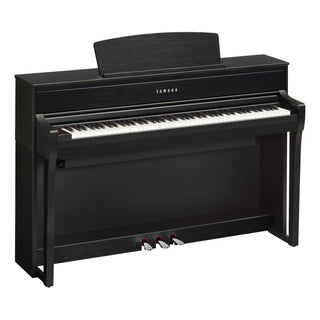
Yamaha Clavinova CLP-775 Digital Piano, Black
7. The Double Bass: The Rhythmic Foundation of Jazz

Photo by Ornettedolphy, licensed CC BY-SA 4.0
The double bass forms the backbone of the jazz group. Beyond laying down the bass line, it supports the harmony and enriches the rhythm with its deep sonic presence. It also allows for rich, unexpected improvisation, as iconic artists of the genre have shown.
It's a demanding instrument that calls for precision, a sense of rhythm, and attentive listening to the other musicians. The double bass is essential to giving the group its groove and pulse.
8. The Drums: The Rhythmic Heart of Jazz
 In jazz, the drums go beyond simply keeping the tempo. They become an expressive instrument in their own right, playing with dynamics, textures, and interactions with the group. Legendary drummers have shown how this instrument can shape the mood and support collective improvisation.
Jazz playing calls for finesse, listening, and a sense of groove, all things you can develop by exploring this percussive world.
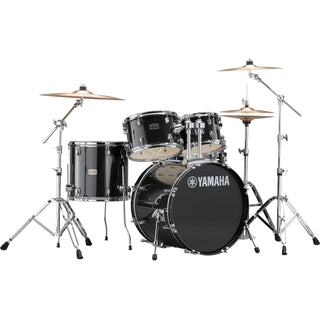
Yamaha Rydeen Drum Kit (10", 12", 14", Snare, 20") with Hardware, Cymbals, and Stool
9. The Jazz Guitar: A Unique, Intimate Sound

The jazz guitar stands out for its muted tone and its ability to enrich the group's harmony. Long in the background, it established itself as an essential instrument thanks to figures like Django Reinhardt and Wes Montgomery. Rich in sophisticated chords and melodic phrasing, it brings a touch that is both intimate and refined to jazz.
It lends itself equally well to solo playing and to accompaniment, which makes it a versatile choice for creative musicians.
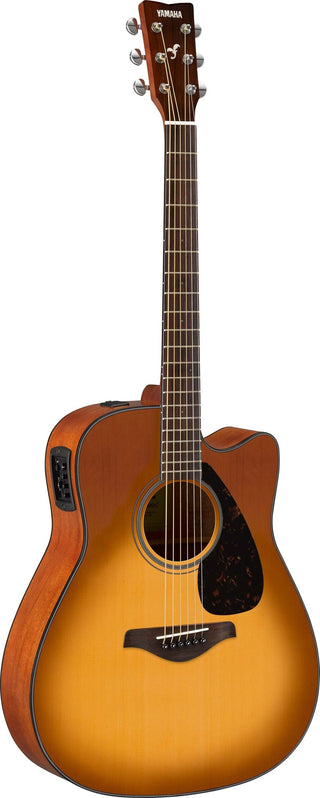
Yamaha FGX800C Electro-Acoustic Guitar
How to Choose the Right Jazz Instrument for You
Choosing a jazz instrument isn't just about its looks or popularity. It's mainly about finding the one that matches your musical personality, your build, your goals, and the time you have to practise. Here are a few tips to guide you:
-
Listen to what really moves you. Which instrument makes you come alive when you hear a solo or a track? Follow your instinct and your ear, because passion is the best source of motivation.
-
Consider your budget and your space. Some instruments, like the double bass or the piano, require more investment and room. Also think about the cost of maintenance and accessories.
-
Try before you buy. Take advantage of in-store trials, introductory lessons, or even musical instrument rental to find the one that suits you best. Good playing comfort makes learning easier and avoids frustration.
-
Think about your musical project. Do you want to play in a group, solo, improvise freely, or accompany? Each instrument offers different experiences.
-
Consider technique and difficulty. Some instruments take more time to reach a good technical level (like the drums or the double bass), while others can be more accessible for beginners.
In short, the ideal instrument is the one that inspires you to practise regularly, to explore, to create. Let your curiosity and enthusiasm carry you, and you'll find your unique voice in the world of jazz.
Conclusion: Choose Your Instrument and Dive Into the World of Jazz
Jazz, a music of freedom and expression, lives through instruments capable of conveying both the most delicate nuances and the most intense flights. Whether you're drawn to the brilliance of a trumpet, the warmth of a saxophone, or the subtle rhythm of a drum kit, everyone finds their voice in this unique musical language.
Take the time to explore the sounds, the playing sensations, and the place of each instrument in the ensemble. Observing how melodic and rhythmic lines come together in scores for orchestra, jazz, and ensemble can deepen your understanding of how instruments interact and inspire your own playing.
Remember: mastery comes with practice. Investing in quality instruments, like those offered by Twigg Musique, will help you progress faster and reach your musical goals. And if you'd like to start without investing right away, consider our instrument rental options or our maintenance and repair services to extend the life of your gear and always play in the best conditions.